
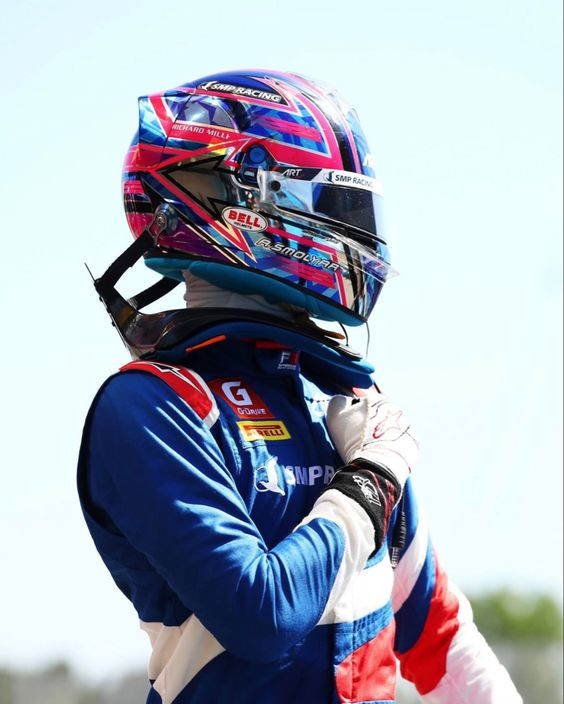
Motorsports is inherently dangerous. From the roar of engines pushing the limits of physics to the breakneck speeds of Formula 1, MotoGP, NASCAR, and rally racing, risk has always been a part of the thrill. However, what once was a sport where danger seemed unavoidable has evolved into a much safer—technologically advanced endeavour. Let’s explore the history and milestones of driver safety in racing, how the sport has transformed over the years, and what innovations protect drivers today.
The Early Years: Racing’s Wild West
In the early 20th century, motorsport was a new, exhilarating, and perilous spectacle. Cars and motorcycles were fast, but safety technology was virtually non-existent. Races were held on unsafe tracks, often without barriers; helmets were a rarity, and there were no seatbelts or fireproof clothing.
Take the 1950s Formula 1 era as an example. Despite the glamour, this was a brutal time for racing. Drivers wore only cloth caps and goggles, and the cars had no crumple zones or rollover protection. The Nürburgring, known as the “Green Hell,” was a notorious track that claimed many lives during this period. It was common to lose several drivers each season, which was heartbreakingly accepted as part of the sport.
The First Steps: Helmets, Seatbelts, and Roll Cages
The first real change in motorsport safety came in the 1950s and 1960s, when regulations slowly started to introduce mandatory safety gear. Helmets became compulsory in Formula 1 in 1952, a major step forward at the time. But these early helmets were primitive by today’s standards—mostly leather or hard shells offering minimal protection.
As seatbelts became a standard feature in road cars, racing followed suit. NASCAR pioneered the use of seatbelts as early as the 1960s, recognising the crucial role they played in reducing fatalities. Meanwhile, roll cages, first developed in the world of rally and off-road racing, began protecting drivers in the event of a car flipping.
The Le Mans disaster of 1955, where 83 spectators were tragically killed, was a pivotal moment in motorsport safety. This incident brought massive public outcry and forced race organisers and teams to rethink safety. Tracks began to implement safer spectator areas, catch fencing, and improved medical response protocols.
The Hunt for Fire Safety
One of the most devastating aspects of early racing was the risk of fire. Without fireproof suits, drivers were horribly vulnerable. Jackie Stewart, the famous Formula 1 driver, survived a near-fatal crash in 1966 at the Belgian Grand Prix, trapped in his car, soaked in fuel for over 20 minutes before being rescued. This horrifying experience led to Stewart becoming one of the strongest advocates for safety reform in motorsport.
In response, the Nomex fireproof racing suit was introduced in the 1960s, a game-changer that gave drivers precious extra seconds to escape fiery crashes. Alongside these suits, race organisers mandated fire extinguishers in cars and faster trackside response teams to combat fire-related injuries.
The Rise of Track Safety
As cars became faster and more powerful in the 1970s and 80s, tracks were forced to evolve. Run-off areas were expanded, gravel traps became more common, and barriers were reinforced to absorb impacts.
One of the most important developments in track safety was the introduction of the Armco barrier, a steel guardrail that could absorb impact and redirect cars away from spectators and dangerous areas. This technology saved countless lives by creating a buffer between the high-speed action on track and potential disaster off-track.
The Death of Ayrton Senna and a New Era of Safety
While motorsport had seen improvements by the early 1990s, it wasn’t until the tragic death of Ayrton Senna at the 1994 San Marino Grand Prix that the sport saw its most aggressive push for safety reform. Senna’s death, alongside Roland Ratzenberger, who died in the same race weekend, shocked the world and became a turning point for Formula 1.
The FIA (Fédération Internationale de l’Automobile) launched a comprehensive overhaul of safety measures, mandating stricter car regulations, better crash tests, and improved medical response teams. Among the most significant innovations was the HANS (Head and Neck Support) device, introduced in 2003. The HANS device dramatically reduced the risk of fatal neck and spinal injuries during crashes, as it stabilises the driver’s head in high-speed impacts.
The Halo: A Controversial, Life-Saving Innovation
In 2018, Formula 1 introduced the Halo, a device designed to protect drivers’ heads from debris and accidents. Initially met with criticism for its aesthetic impact on the cars, the halo has since proven its worth multiple times, saving drivers like Romain Grosjean, who survived a terrifying fireball crash at the 2020 Bahrain Grand Prix. The halo is now considered one of the most important safety innovations in the history of open-wheel racing.
The Role of Technology
Technology has transformed motorsport safety in the modern era. Today, racing cars are designed with carbon fiber monocoques—extremely strong yet lightweight structures that protect drivers from the full force of impacts. High-tech telemetry systems monitor cars in real-time, allowing teams to spot potential issues before they become catastrophic failures. In addition, advanced simulations and crash testing provide crucial data to enhance car designs before they ever hit the track.
Formula 1 has even pioneered biometric gloves, which allow medical teams to monitor a driver’s vital signs immediately following a crash. This rapid response ensures that drivers receive appropriate care at the fastest possible speed, potentially saving lives.
MotoGP: Safety on Two Wheels
Motorcycle racing, particularly MotoGP, also faced significant safety challenges. Unlike car racing, where drivers are encased in a protective shell, motorcycle riders are exposed to direct impact with the ground.
Modern advancements like airbag suits, which deploy in milliseconds after a crash, have revolutionised rider safety. These suits protect the chest, spine, and shoulders from serious injury. Along with improved track design—run-off areas, gravel traps, and better barriers—MotoGP has seen a sharp reduction in fatal accidents over the last two decades.
Looking Ahead: The Future of Motorsport Safety
As motorsport continues to evolve, so will the safety measures protecting drivers. With the rise of autonomous racing (such as Roborace) and the continued development of electric racing series like Formula E, new safety challenges will arise. However, with advancements in materials science, artificial intelligence, and data analytics, the sport is better equipped than ever to keep drivers safe.
Virtual testing, AI-driven crash analysis, and even new helmet designs are being developed to make racing as safe as possible while maintaining the thrilling, high-octane action that fans love. Motorsport will always involve risk, but its ongoing dedication to safety proves that it’s not just about pushing the limits of speed—it’s about protecting those who take part in this extraordinary world.
Driver safety in motorsports has come a long way from the early days of cloth helmets and no seatbelts. Today’s racers are protected by a wide array of technology, safety equipment, and trackside innovations that ensure they can compete at the highest levels with minimised risk. And while the sport will always involve inherent danger, the commitment to improving safety continues to be one of the most critical aspects of motorsport’s evolution.
https://www.everythingmotorsport.com/the-latest-motorsport-technology-and-gear/